
Blog
Forklift safety & OSHA compliance insights
Expert guides on certification, training, equipment, and warehouse safety — written by the team behind OSHA Operator.

How to Pass the Forklift Written Test (Sample Questions Inside)
The forklift written test isn't designed to trick you — it's designed to confirm you understand OSHA's safety expectations. Master these topics and the sample questions below and you'll pass on your first attempt.
Read article →How HR Directors Use the Free OSHA Audit to Onboard Operators Faster
Learn how HR Directors are bypassing the traditional hiring bottleneck by using digital OSHA audits. Discover how to streamline forklift operator onboarding, reduce liability, and ensure 29 CFR 1910.178 compliance in minutes.
Read article →In-Person vs Live Online Forklift Training for Employers
Choosing the right forklift training method is a critical decision for employers, safety managers, and HR professionals responsible for ensuring compliance and workplace safety. This article compar…
Read article →How Insurance Brokers Lower Premiums Using a Forklift Audit
Insurance brokers and EHS managers can significantly reduce workplace risk and lower premiums by using a proactive forklift audit. Discover how our free OSHA compliance tool identifies gaps in training and documentation to protect your organization's bottom line.
Read article →What Your Insurance Carrier Wants to See in Forklift Training
Ensuring proper forklift operator training is not just a regulatory requirement; it's a critical component of risk management that directly impacts your insurance premiums and coverage. Insurance c…
Read article →Integrating Forklift Certification Into HR Onboarding
A newly hired warehouse operator finishes Section 2 of Form I-9, signs the employee handbook, and receives a high-vis vest. For many HR departments, that marks the end of administrative onboarding. For safety managers, however, th
Read article →Is Online Forklift Training Enough to Satisfy OSHA for My Employees?
Employers often wonder if online forklift training alone satisfies OSHA requirements. This article clarifies that while online courses are crucial for formal instruction, employers must also provide practical training and a hands-on evaluation on their equipment to achieve full compliance.
Read article →ISNetworld and Avetta: Forklift Compliance for Prequalification
Prequalification platforms like ISNetworld and Avetta are critical for contractors and suppliers working with larger organizations, particularly in industries with high safety demands. These platfo…
Read article →Switching a Forklift Fleet to Lithium-Ion: Safety and Training Impacts
Transitioning a material handling fleet from lead-acid batteries to lithium-ion (Li-ion) chemistry is frequently framed as a pure operational upgrade. Operations leaders highlight the elimination of 8-hour charge cycles, the end o
Read article →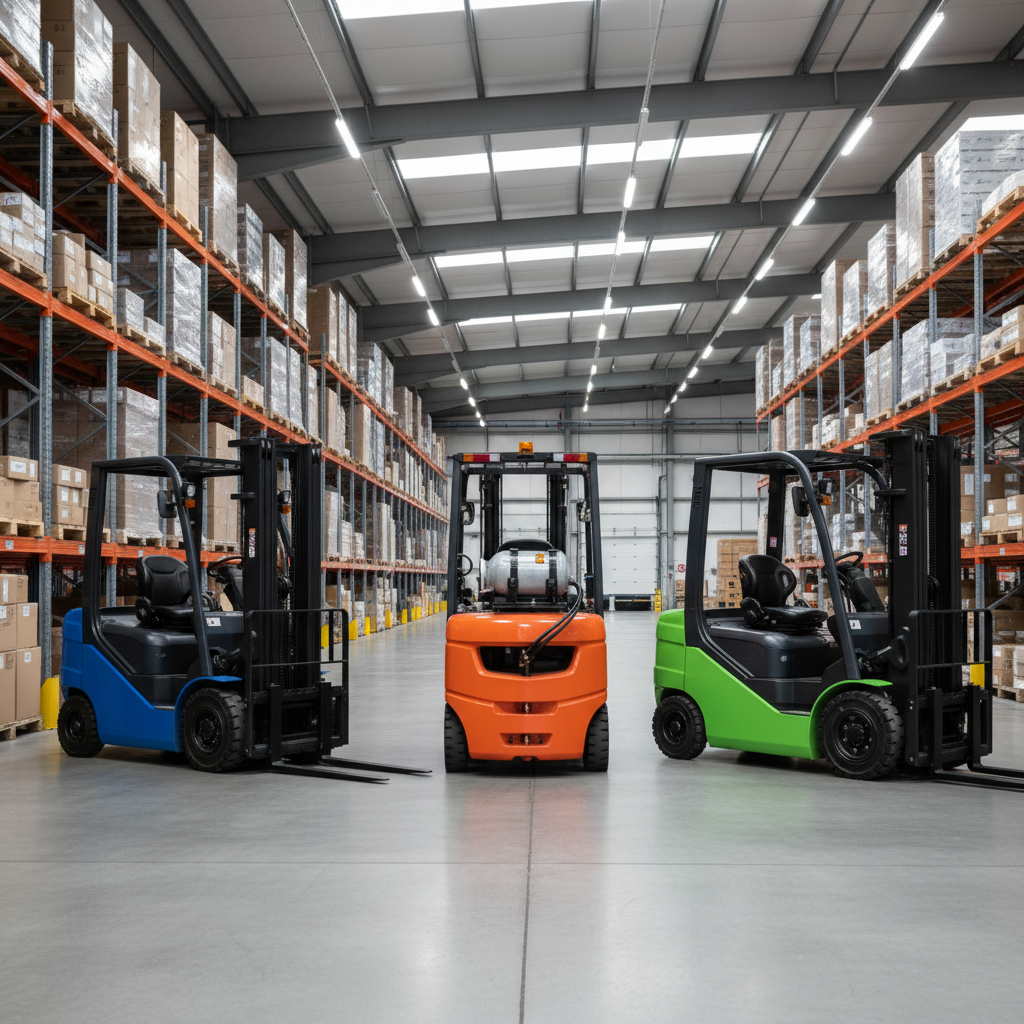
Lithium-Ion vs Propane vs Electric Forklifts: Full Comparison
Choosing between lithium-ion, traditional electric (lead-acid), and propane (LPG) forklifts shapes your operating cost, downtime, and OSHA training scope for the next decade. Here's a clear, side-by-side breakdown.
Read article →How to Read a Forklift Data Plate and Derate a Load
When a forklift tips forward, the root cause is rarely a sudden mechanical failure. In the vast majority of tip-over incidents investigated by federal and state OSHA agencies, the failure occurred on paper long before the truck li
Read article →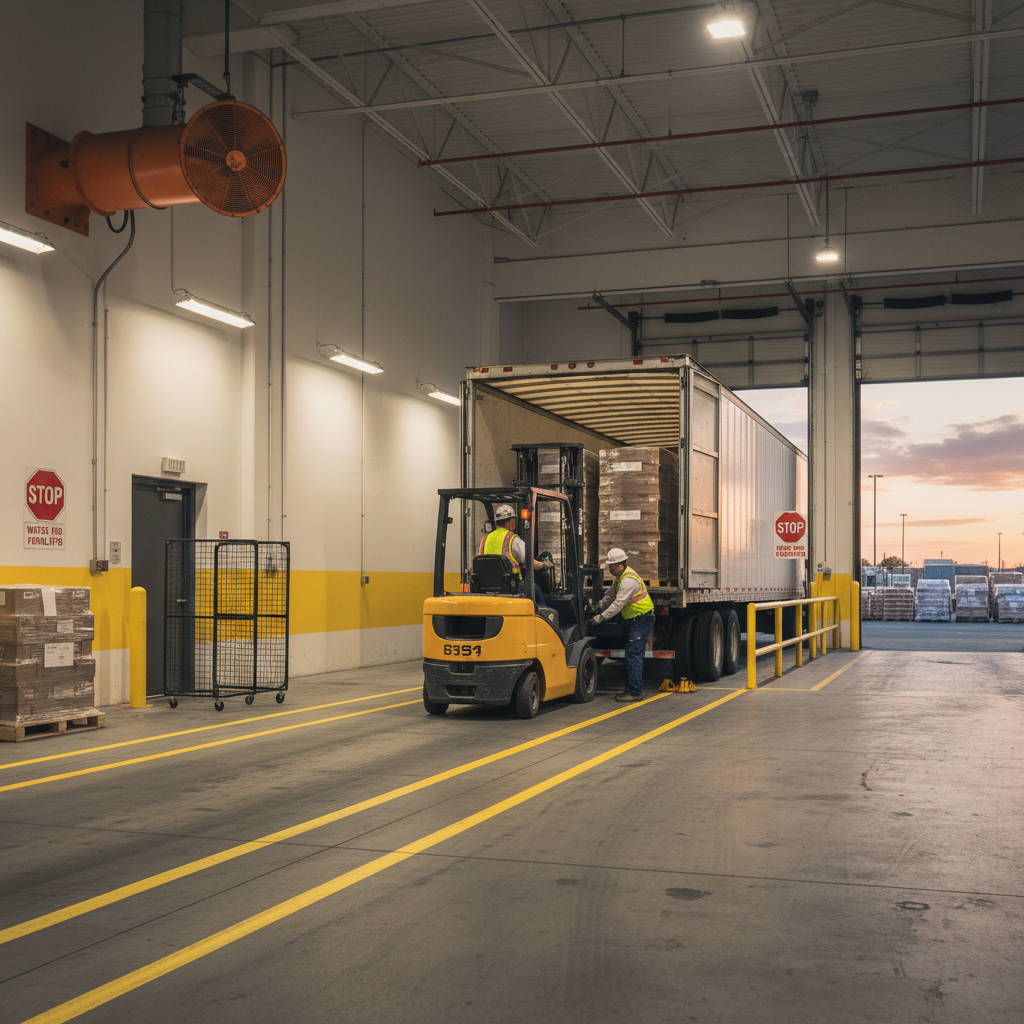
Loading Dock Safety: 15 OSHA Best Practices for Forklift Operators
Master loading dock safety with 15 OSHA best practices. Essential for forklift operators.
Read article →Michigan Forklift Permit Rules (MIOSHA Part 21) Explained
In Michigan, the employer trains and tests each forklift operator and issues a written permit valid only with that employer, for up to 3 years.
Read article →The Most-Cited Forklift Violations and How Employers Avoid Them
Discover the most common OSHA forklift violations and learn actionable strategies for employers to avoid citations. This article covers critical areas like operator training, equipment maintenance, and safe operation practices.
Read article →Forklifts on Multi-Employer Worksites: Who Gets Cited
When a forklift accident occurs on a multi-employer worksite—a busy construction project, a shared logistics facility, or a manufacturing plant using temporary staffing—OSHA compliance officers rarely limit their investigation to
Read article →Building a Multi-Site Forklift Compliance Program
Managing Powered Industrial Truck (PIT) safety for a single facility requires constant vigilance. Managing it across five, twenty, or fifty facilities across state lines requires a scalable architecture. In multi-site operations,
Read article →Standardize Multi-Site Forklift Compliance with Free Tools
Learn how multi-site EHS managers use standardized forklift toolbox talks to close compliance gaps and ensure safety across all locations. Discover how our free generator tool simplifies 29 CFR 1910.178 requirements for complex organizations.
Read article →Narrow Aisle and Order Picker Safety Requirements
High-density warehousing relies on narrow aisle (NA) and very narrow aisle (VNA) configurations to maximize cubic storage space. In these environments, Class II powered industrial trucks—specifically order pickers and center-rider
Read article →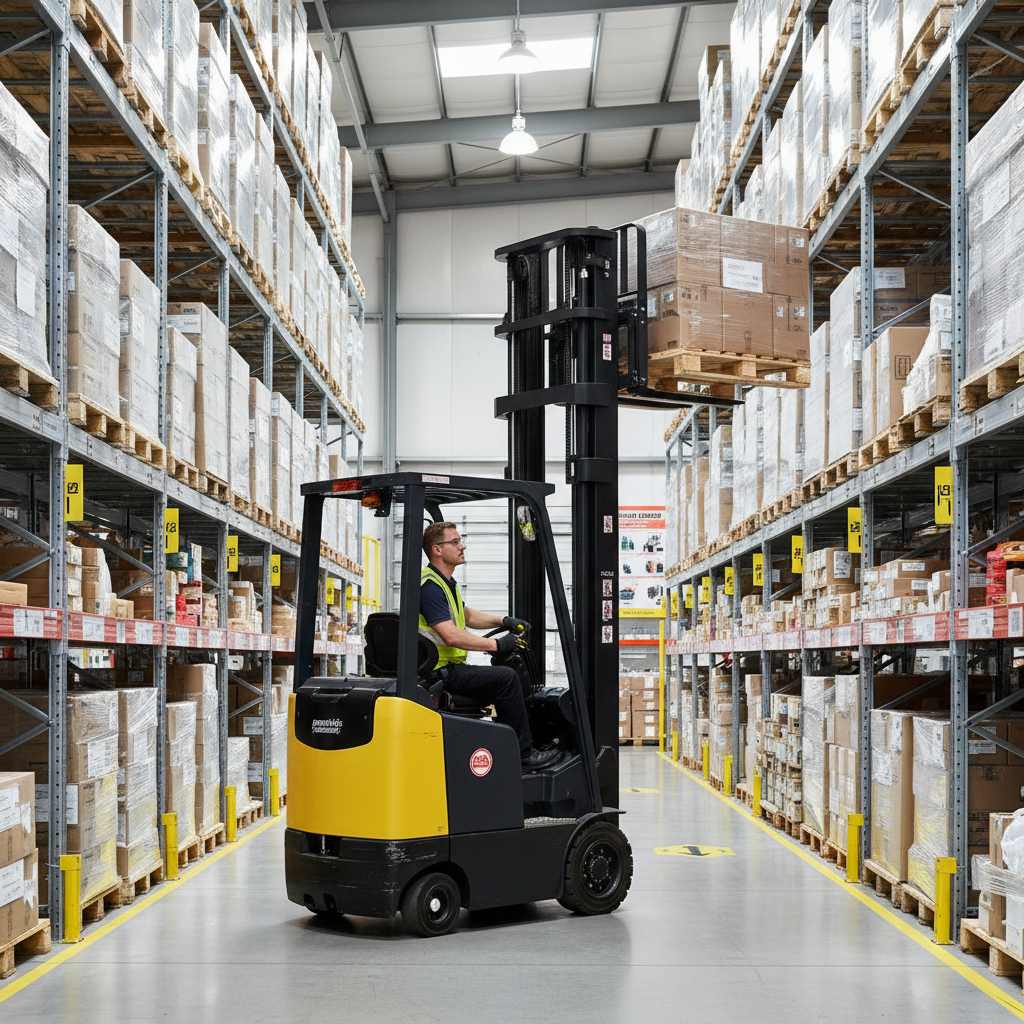
Narrow Aisle Forklifts (Class 2): Complete Operator Guide
Read article →Near-Miss Reporting That Actually Reduces Forklift Incidents
In most industrial facilities, for every recordable OSHA injury involving a powered industrial truck (PIT), there are dozens of close calls. A tip of a fork clips an aisle end cap. A pedestrian steps into a blind intersection just
Read article →