
Blog
Forklift safety & OSHA compliance insights
Expert guides on certification, training, equipment, and warehouse safety — written by the team behind OSHA Operator.
How to Document Forklift Training So It Survives an OSHA Inspection
Learn how to document forklift training effectively to meet OSHA's stringent requirements. This guide covers essential components like operator identification, training and evaluation details, certification, and record retention, ensuring your organization is prepared for any inspection.
Read article →Forklift Compliance in E-Commerce Fulfillment Centers
E-commerce fulfillment centers (FCs) operate under relentless pressure: tight shipping windows, high-bay storage, narrow aisles, and round-the-clock shift schedules. Underneath this operational intensity lies a persistent EHS chal
Read article →Electric Forklift Battery Charging and Hydrogen Safety
When lead-acid forklift batteries undergo charging, water in the liquid electrolyte electrolyzes into hydrogen and oxygen gases. Hydrogen gas is odorless, colorless, lighter than air, and highly flammable. It has a Lower Explosive
Read article →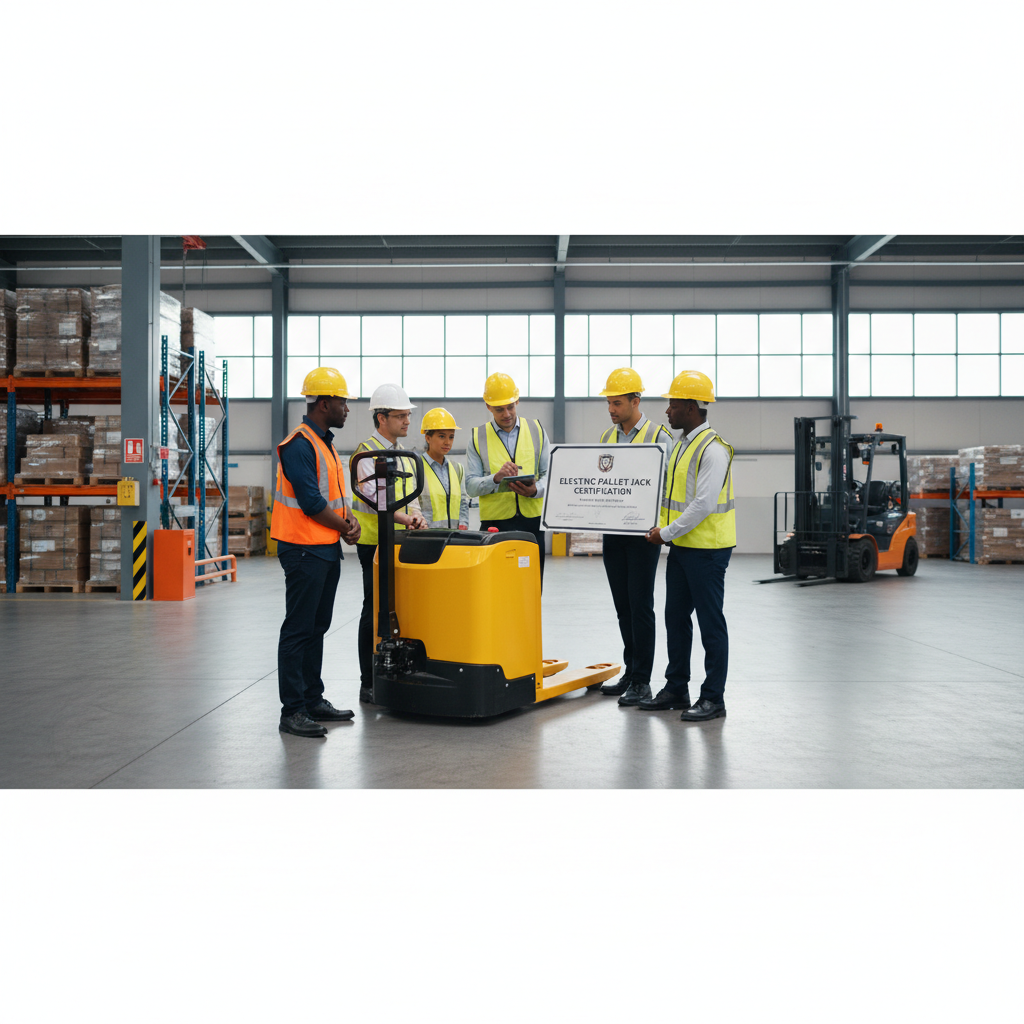
Electric Pallet Jack Certification (Class 3): Do You Need It?
Do you need electric pallet jack certification? Absolutely. Learn about OSHA Class 3 training requirements.
Read article →Employer Checklist: What to Confirm Before Booking Forklift Training
Ensuring your team receives compliant and effective forklift training is a critical responsibility for any employer. This checklist provides a structured approach to evaluating training providers a…
Read article →Employer's Plain-English Guide to OSHA 1910.178(l)
Dive into OSHA's 29 CFR 1910.178(l) to understand your responsibilities as an employer regarding forklift operator training. This guide breaks down the requirements for formal instruction, practical evaluation, and essential retraining.
Read article →From Free Audit to Certified Operator: A Step-by-Step Plan for Employers
Stop guessing about your forklift compliance status. This comprehensive guide details a step-by-step roadmap for employers to move from a free internal audit to a fully certified, audit-ready workforce using digital tools.
Read article →How to Evaluate a Forklift Training Vendor (10 Questions to Ask)
Selecting the right forklift training vendor is a critical decision for employers, safety managers, HR, and operations leaders. Proper training ensures compliance with OSHA regulations and, more im…
Read article →Forklift Compliance in Food and Beverage Warehousing
Managing Powered Industrial Trucks (PITs) in a food and beverage facility presents a distinct regulatory challenge. Safety managers must balance standard employee safety under OSHA regulations with strict food safety mandates enfo
Read article →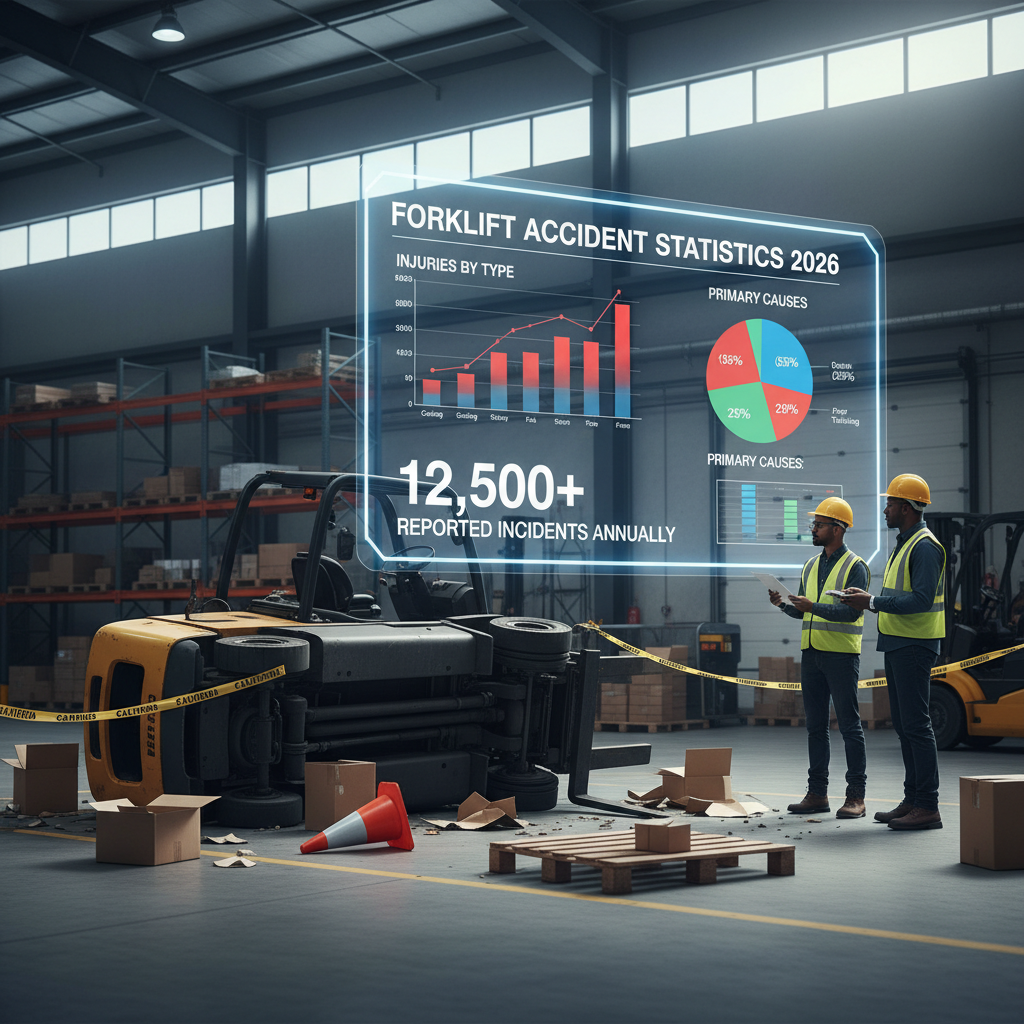
Forklift Accident Statistics 2026: What the Data Reveals
Delve into forklift accident data, analyze trends, and discover preventative measures for a safer workplace.
Read article →Forklift Attachments: When You Must Retrain and Re-Rate
Adding a specialized attachment to a forklift—whether it is a paper roll clamp, a side-shifting carton clamp, a 360-degree rotator, or a push-pull slip sheet mechanism—instantly alters the fundamental physics of the machine. It ch
Read article →Operator Authorization Letter Template for Employers
Employers must formally authorize forklift operators to ensure compliance with OSHA regulations. This article provides a comprehensive guide and template for an operator authorization letter, detailing essential components and regulatory requirements.
Read article →Managing Forklift Blind Spots in Tight Warehouses
A standard 4,000-lb cushion-tire sit-down forklift carrying a standard 48x40-inch pallet creates immediate, severe visual blockages. In a high-density warehouse with 9-foot narrow aisles or 6-foot Very Narrow Aisle (VNA) configura
Read article →How Forklift Certification Affects Your Workers' Comp Premiums
Discover how proper forklift operator certification can significantly impact your workers' compensation premiums. Learn about OSHA mandates, the Experience Modification Rate (EMR), and the direct and indirect financial benefits of a well-trained workforce.
Read article →Forklift Certification Card and Certificate: What You Get and How to Verify It
When you pass, you download a certificate right away, and a printed wallet card is mailed to you. Here is what each document shows and how an employer can check it.
Read article →Spotting Fake Forklift Certification Cards During Hiring
Employers face significant risks from fraudulent forklift certification cards, leading to accidents, fines, and legal liability. Learn how to identify fake certifications, understand red flags, and implement robust verification processes to ensure compliance with OSHA regulations and maintain a safe
Read article →Setting Up Expiration Alerts So No Operator Lapses
Learn how to establish robust systems for tracking forklift certification expiration dates, ensuring continuous OSHA compliance, and preventing operators from working with lapsed credentials. Avoid penalties and enhance workplace safety.
Read article →Forklift Certification for 3PL Warehouses With Client SLAs
Third-Party Logistics 3PL warehouses operate in a highly competitive environment, often managing diverse product lines and stringent Service Level Agreements SLAs for multiple clients. Efficient an…
Read article →Forklift Certification for Agriculture and Grain Employers
Operating forklifts safely is critical in agricultural and grain handling operations due to the unique hazards present in these environments. Employers in this sector must ensure their forklift ope…
Read article →Forklift Certification for Auto Parts Suppliers and Tier 1 Plants
Ensuring safe and compliant forklift operations is crucial for auto parts suppliers and Tier 1 manufacturing plants. This guide details OSHA's forklift certification requirements, including initial and refresher training, and the employer's responsibility.
Read article →