
Blog
Forklift safety & OSHA compliance insights
Expert guides on certification, training, equipment, and warehouse safety — written by the team behind OSHA Operator.
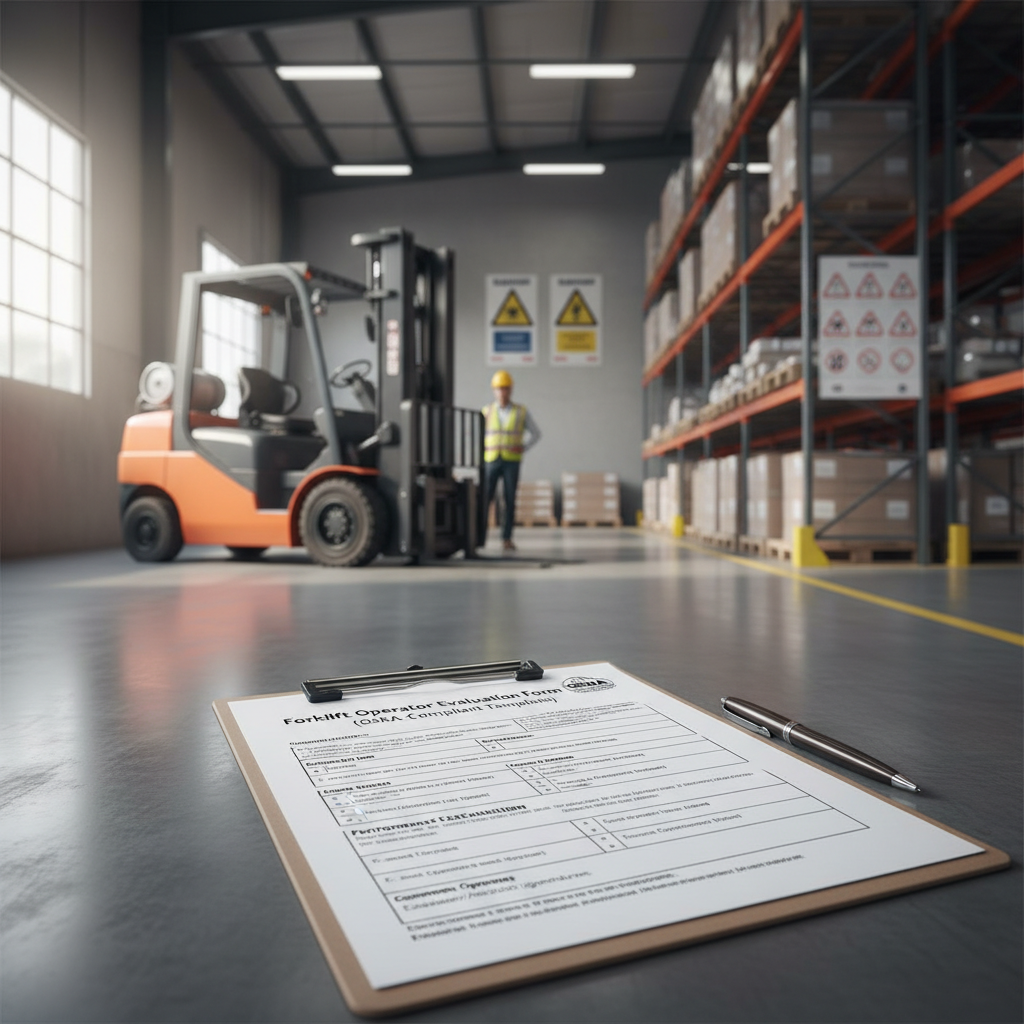
Free Forklift Operator Evaluation Form (OSHA-Compliant Template)
Read article →The Hands-On Evaluation Requirement Employers Keep Missing
Many employers overlook a critical step in forklift operator certification: the mandatory hands-on evaluation. This assessment ensures operators can safely apply theoretical knowledge to specific equipment and workplace conditions, as required by OSHA 29 CFR 1910.178.
Read article →Does Certification Justify Higher Operator Pay?
Forklift operator certification is a mandatory requirement under OSHA regulations for any worker operating a powered industrial truck. While the primary purpose of certification is to ensure safety…
Read article →Forklift Operator Jobs and Pay by State and City (BLS 2025 Data)
BLS May 2025 data: 774,420 industrial truck and tractor operators nationwide at a mean $23.25 an hour. State and metro tables, sorted, with sources.
Read article →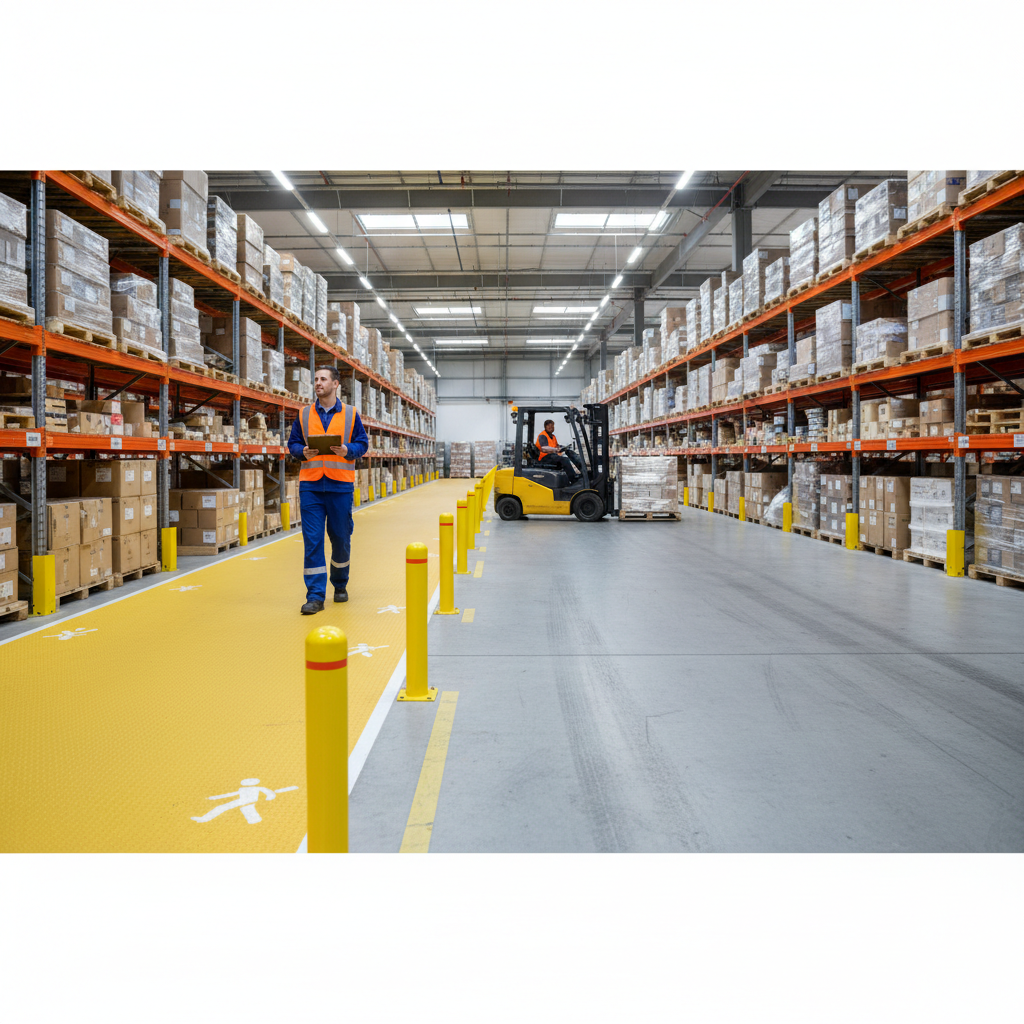
Forklift & Pedestrian Safety: Best Practices That Save Lives
About 20% of forklift fatalities each year involve pedestrians being struck. The fix isn't more signs — it's a layered system of separation, visibility, and operator training. Here are the 12 best practices that actually work.
Read article →Self-Audit Checklist for Your Forklift Training Program
Workplace safety is paramount, especially when operating heavy machinery like forklifts. Adhering to OSHA regulations is not just a legal requirement but a fundamental responsibility to protect you…
Read article →The 5 Events That Legally Trigger Forklift Refresher Training
Many warehouse managers and safety directors operate under a dangerous misconception: as long as operators complete an evaluation every three years, the facility remains fully compliant with federal law.
Read article →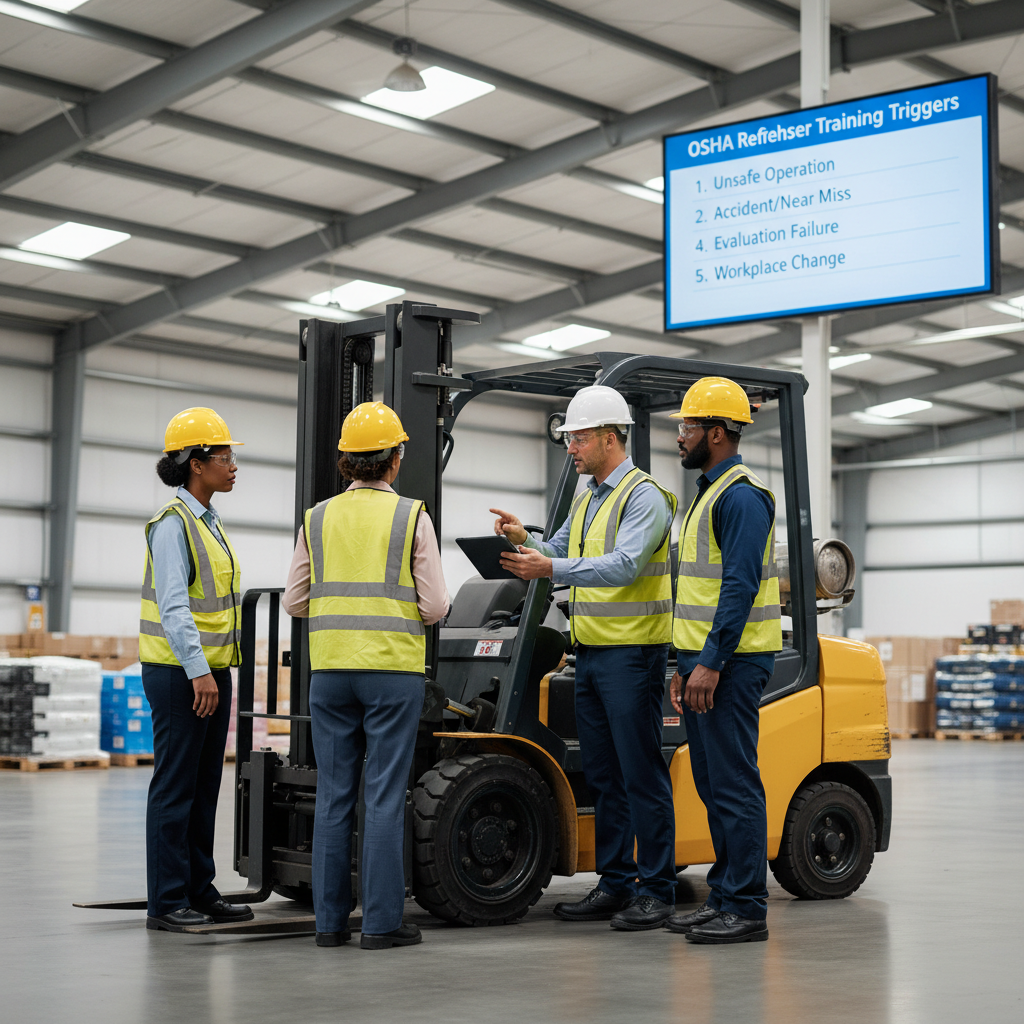
When Is Forklift Refresher Training Required? OSHA Triggers
OSHA mandates forklift refresher training under specific conditions, including accidents, unsafe operation, new equipment, and triennial evaluations.
Read article →Forklift Safety KPIs Every Operations Manager Should Track
Operations managers must track specific forklift safety KPIs to reduce incidents, ensure compliance, and improve efficiency. This includes both leading and lagging indicators like incident rates, near-miss reporting, training compliance, and equipment maintenance.
Read article →What Belongs in a Written Forklift Safety Program
When an OSHA compliance officer or an insurance risk auditor walks onto your facility floor, one of the first documents they will ask to see is your written Powered Industrial Truck (PIT) Safety Program. While 29 CFR 1910.178 does
Read article →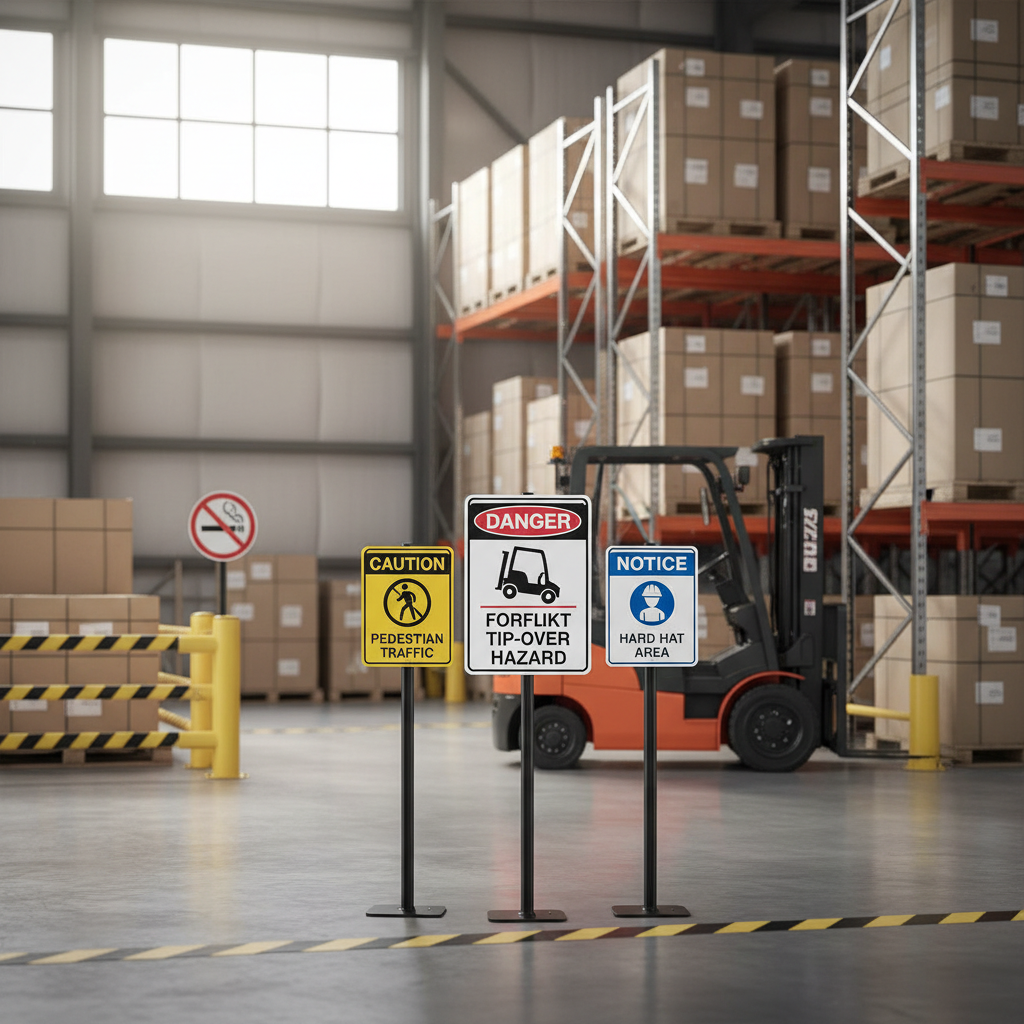
Forklift Safety Signs & OSHA Color Codes Explained
Learn the vital role of OSHA forklift safety signs, their color codes (Red, Orange, Yellow, Green, Blue), and how ANSI Z535 standards prevent accidents.
Read article →Running a Forklift Toolbox Talk Program That Sticks
Ask any floor supervisor about safety talks, and you will likely hear a familiar complaint: workers nod along, sign the attendance sheet, and instantly go back to driving over speed limits or turning with elevated loads.
Read article →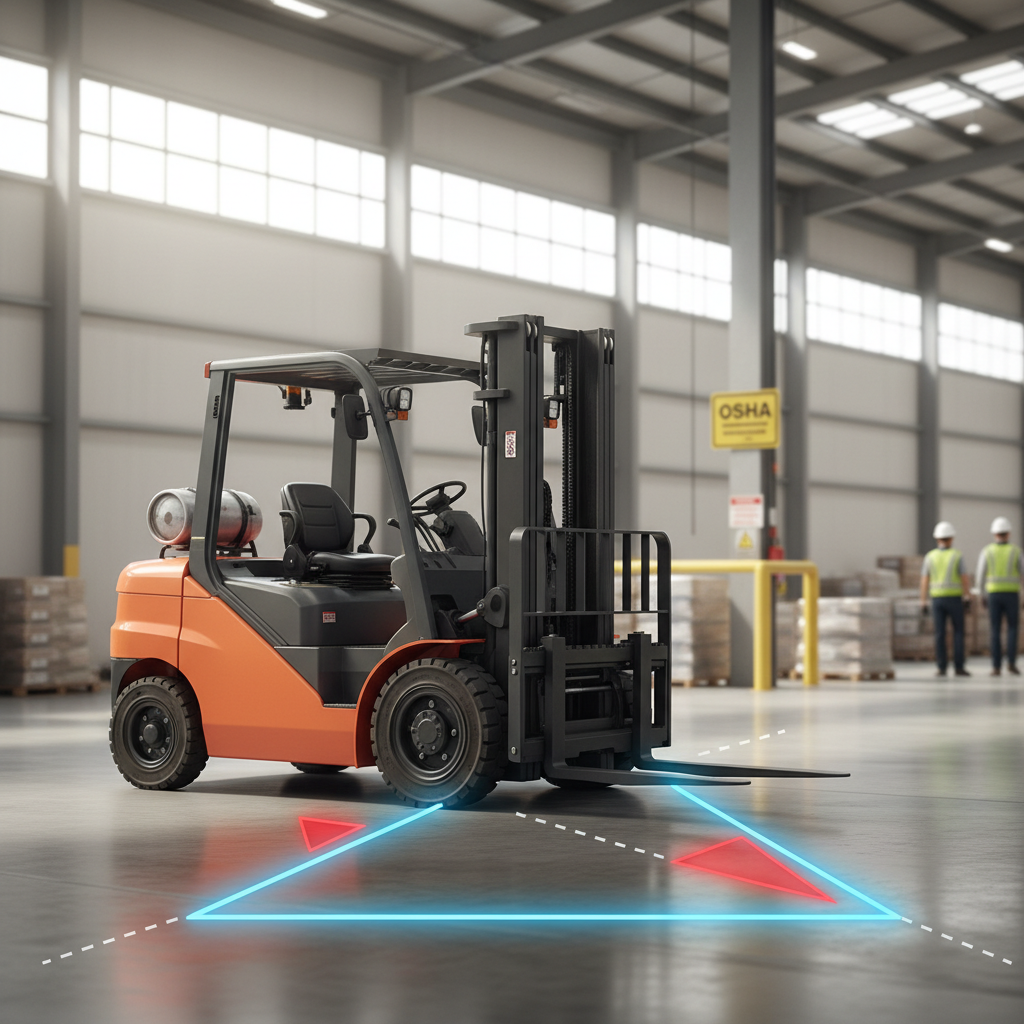
The Forklift Stability Triangle Explained (With Diagrams)
Read article →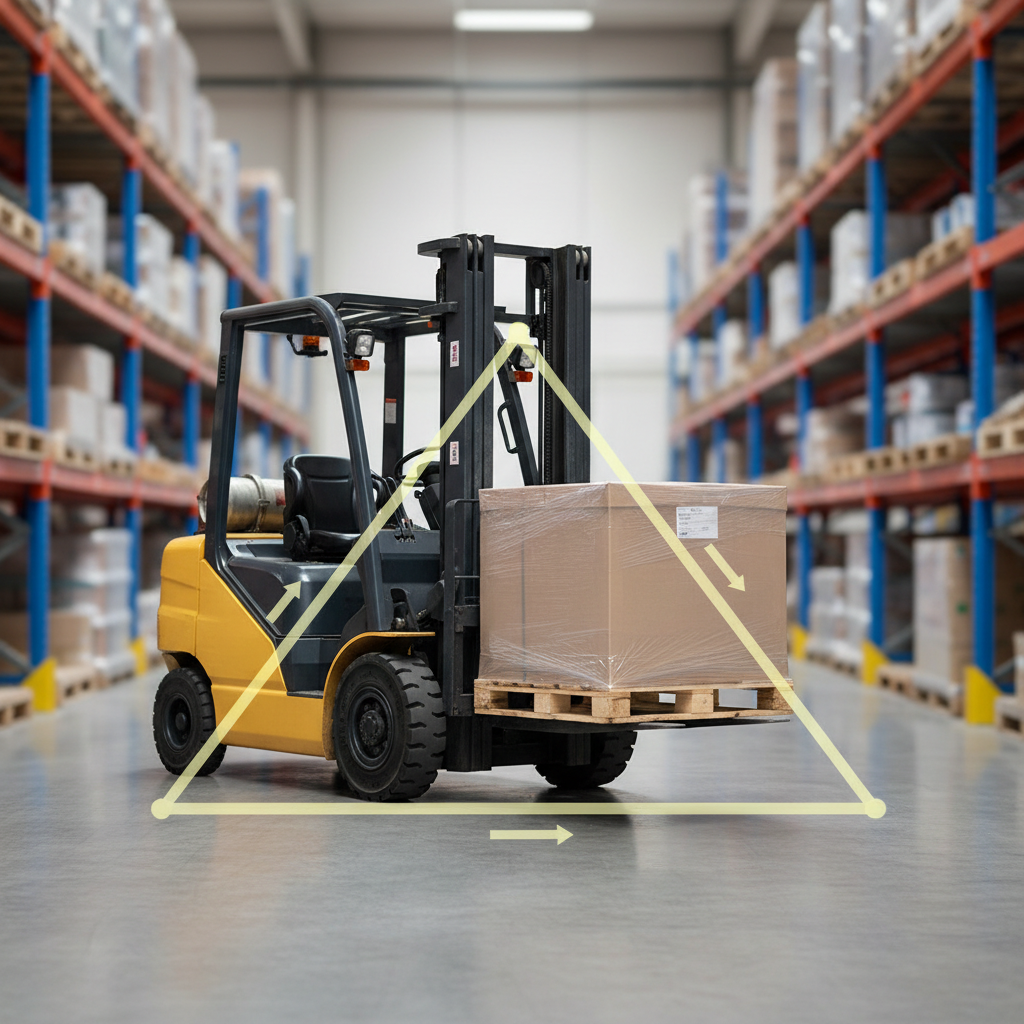
Forklift Tip-Over Prevention: OSHA Rules Every Operator Must Know
Tip-overs cause roughly one in four forklift fatalities. Almost every one is preventable. Master the stability triangle, follow OSHA's load-handling rules, and stay buckled in.
Read article →Train-the-Trainer vs Outsourcing: Which Is Cheaper for Your Team?
Deciding between an in-house train-the-trainer program and outsourcing forklift operator certification involves significant financial and logistical considerations. This article breaks down the costs, regulatory requirements, and practical implications of each approach.
Read article →How to Budget Forklift Training Per Employee for the Year
Estimating the annual cost of forklift operator training per employee is crucial for effective budget planning within organizations that utilize powered industrial trucks. This article outlines key…
Read article →Running Forklift Training During a Hiring Surge
Learn how to manage forklift operator certification during a hiring surge effectively, maintaining safety standards, and adhering to regulatory requirements.
Read article →Training Programs for Warehouses With Mixed Equipment Fleets
Warehouses often operate with a diverse fleet of material handling equipment, ranging from Class I electric motor rider trucks to Class VI electric and internal combustion engine tractors. This mix…
Read article →Certifying Part-Time and Occasional Forklift Users
OSHA regulations clearly state that all forklift operators, regardless of their employment status—full-time, part-time, or temporary—must receive comprehensive training and certification.
Read article →Certifying Seasonal Forklift Operators Before Peak Season
Every year between late summer and early winter, distribution centers, third-party logistics (3PL) providers, and retail fulfillment hubs face a massive operational challenge: scaling facility headcount by 30% to 200% within a mat
Read article →